

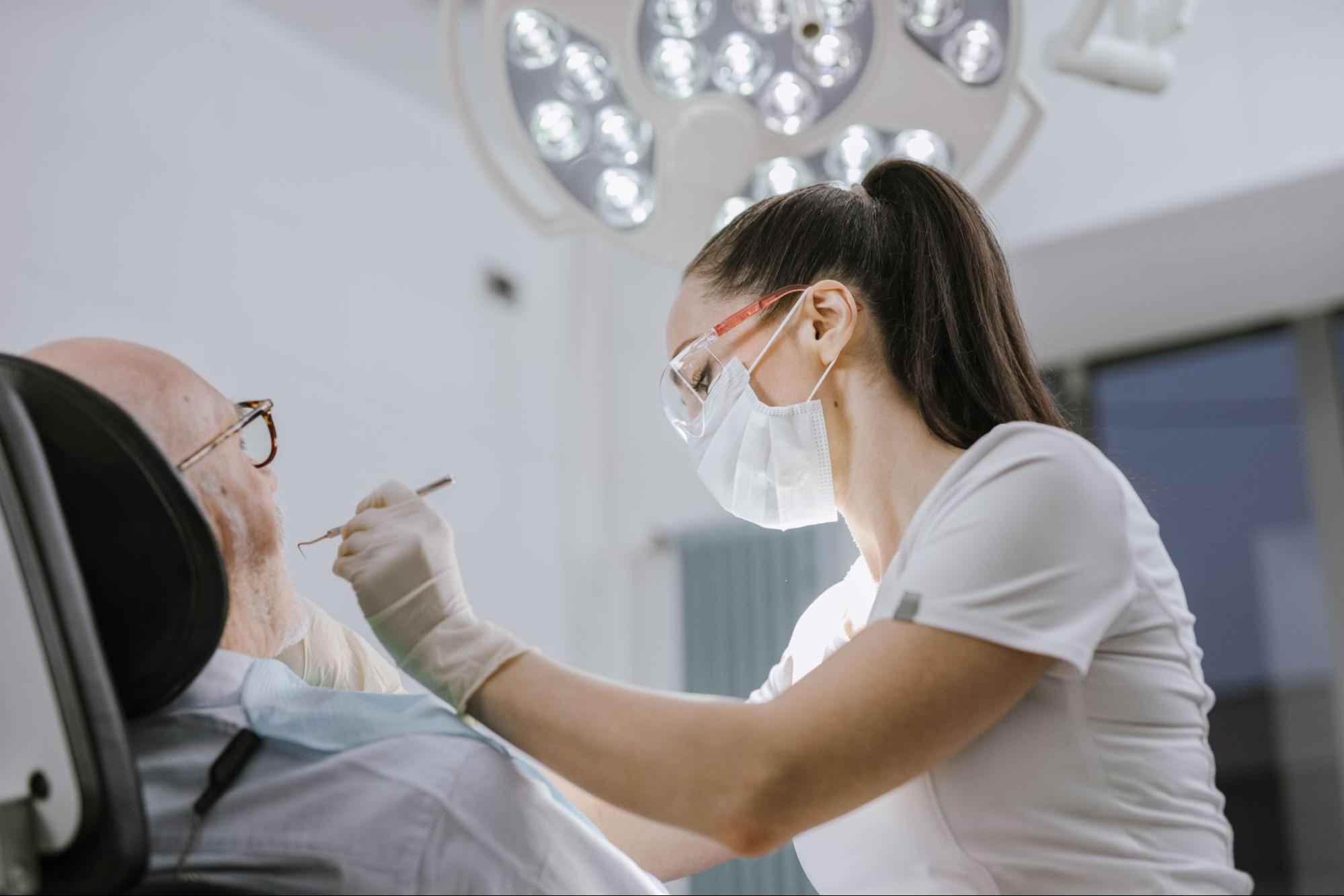
Dental practices face workplace hazards that range from bloodborne pathogens to chemical exposure, but OSHA does not maintain a separate standard written only for dentistry. Instead, dental offices fall under applicable general-industry standards based on the hazards employees encounter.
Use the dental OSHA compliance checklist and assembled resources below as a starting point. These six steps are a starting point for your practice to review policies and training for a safe and compliant workplace. Always remember to consult your state’s board of dentistry guideline for the most up to date information.
Dental OSHA Compliance Checklist for Your Practice
1. Exposure Control Plan
Employees at dental practices risk exposure to blood or other potentially infectious materials. Your practice will need a written Exposure Control Plan. OSHA requires employers to review and update that plan at least annually.
In your review, make sure you account for any new technology that’s been designed to reduce exposure. OSHA will want to see that you document consideration of safer medical devices.
2. Bloodborne Pathogens Training
OSHA compliance training for dental offices has to cover the specific hazards employees encounter in their individual roles. Employees with occupational exposure to bloodborne pathogens, for instance, will need training on bloodborne disease transmission as well as your practice’s Exposure Control Plan and procedures following an exposure incident.
OSHA requires covered training at no cost to employees and during working hours.
3. PPE and Sharps Procedures
Confirm that your employees have appropriate personal protective equipment (PPE) and understand when to use it. Pay extra attention to sharps procedures, since they’re common in dental offices and present high levels of risk.
The OSHA Bloodborne Pathogens Standard addresses things like engineering controls, safer medical devices, and proper disposal practices, all of which are intended to reduce occupational exposure for your employees.
4. Chemical Safety
Chemicals (like dental materials and cleaning products) are in a separate category of workplace risk, but no less important. Review chemical labels and safety data sheets and make sure you offer employee training under applicable hazard communication requirements. Those resources should always be accessible to the employees who use the products.
5. CDC Guidance for Patient Care
OSHA standards are aimed at employee safety, but the CDC focuses on safe patient care as well. Even if you’re targeting OSHA compliance, don’t neglect CDC guidelines. Check out this guidance for infection prevention and control in dental settings. The standard precautions covered by the CDC include:
- Hand hygiene
- PPE
- Sharps safety
- Safe injections
- Sterile instruments
- Environmental cleaning
The CDC also recommends you assign an infection prevention coordinator and review written policies on a regular basis. There’s another great Infection Prevention Checklist from the CDC that your dental team can use to evaluate their own procedures through direct observation.
6. HIPAA Compliance
HIPAA is also separate from OSHA, but it certainly belongs in your practice’s overall dental safety and compliance review. Look through the HHS HIPAA guidance for health care professionals — it covers relevant privacy and security responsibilities for covered entities. Practices subject to HIPAA also need safeguards for protected health information alongside their regular workforce policies and training.
Compliance Review is an Ongoing Process
Dental OSHA compliance is a recurring responsibility. It isn’t wise to pull a document from a binder once a year and hope everything works out in between. Be deliberate. Assign ownership for key programs and maintain required records. When necessary, don’t hesitate to revisit training as procedures or employee responsibilities change (or you bring in a wave of new hires).
Dental professionals rely on continuing education to stay current on infection control and workplace safety. Give some thought to what your practicing is doing to help the team earn their required CE credits and develop as professionals each year.
An annual dental meeting is a great way to bring dental teams together on a predictable basis for education. The hundreds of courses on offer at Yankee Dental Congress each year, many of which are free to attend with your registration, cover the clinical and operational issues that shape daily practice for everyone from clinicians to office staff and hygienists.
Use this dental OSHA compliance checklist as your launch point, then consult federal requirements and your state dental board for the rules that apply to your practice. Bring it all together with an annual office retreat — or a holiday party — at Yankee to stay up to date with cutting edge topics in dentistry.
FAQs
OSHA compliance for dental offices means following applicable workplace safety standards based on the hazards employees encounter. Dental practices should evaluate requirements involving bloodborne pathogens, PPE, chemical safety and employee training.
OSHA states that there are no standards specific only to dentistry. Dental workplaces fall under applicable general-industry standards.
Employers with workers who have reasonably anticipated occupational exposure to blood or other potentially infectious materials must follow OSHA’s Bloodborne Pathogens Standard, including applicable Exposure Control Plan requirements.
OSHA requires the Exposure Control Plan to be reviewed and updated at least annually, along with updates when appropriate to reflect new or modified tasks and procedures.
CDC Standard Precautions address areas including hand hygiene, PPE, sharps safety, injections, instrument sterilization and environmental cleaning.
No. CDC develops infection-prevention recommendations, while OSHA enforces workplace safety standards. CDC specifically notes that it does not have regulatory authority to enforce infection-control practices in dental settings.
No. HIPAA is administered through the U.S. Department of Health and Human Services and governs protected health information for covered entities and business associates.